
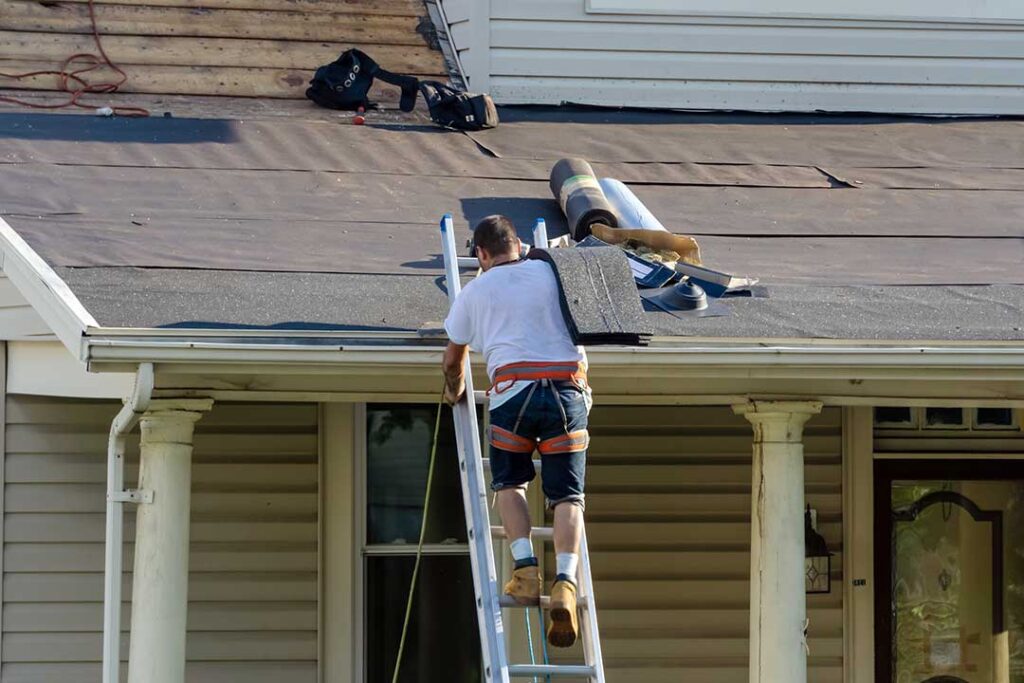
Why Are Roof Penetrations a Concern for Hudson Falls Homes?
Roof penetrations—such as vent pipes, chimneys, skylights, satellite mounts, and attic fans—allow air, light, or utilities into the home, but each one represents a break in the roofing system. In Hudson Falls, NY, where cold winters, ice buildup, and heavy spring rains are a regular part of the climate, proper sealing of these penetrations is crucial to prevent leaks, interior water damage, and even mold growth. Left unaddressed, small openings around these features can quickly turn into bigger problems as snow melts or rainwater finds its way inside.
What Materials Are Typically Used to Seal Around Roof Penetrations?
Sealants, flashing, and boots are the primary materials used. Most commonly:
- Roofing caulks and sealants: Designed to withstand weather exposure, freezing temperatures, and UV rays.
- Metal or rubber flashing: Thin pieces of metal (often aluminum or galvanized steel) or flexible rubber boots custom-fit to pipes and other penetrations.
- Roof cement: Used for some emergency repairs but generally less durable long-term in Hudson Falls' climate compared to elastomeric sealants.
It's common for hardware store sealants to be used for quick fixes. However, over-relying on caulk alone is a frequent mistake; proper installations require both physical barriers (like flashing or boots) and a compatible sealant.
How Should Residents Prepare Before Sealing a Roof Penetration?
Preparation ensures a reliable repair or installation. Start by safely accessing the roof—always wait for stable, dry weather, as roofs in the area can be particularly slippery in winter and spring.
1. Inspect the area from inside (attic) and outside for visible moisture, staining, or daylight showing through.
2. Clean the penetration surface, removing old caulk, moss, or debris for proper adhesion.
3. Check the penetration for movement. If pipes or hardware are loose, sealant alone will not solve the issue; secure them first.
What Are the Most Reliable Sealing Techniques for Local Conditions?
Addressing the joint between the penetration and roofing involves layering defenses against water entry. In Hudson Falls, using both flashing/boots and sealant provides longer-lasting protection.
For vent pipes and plumbing stacks:
- Slide a pre-formed boot or flashing collar down over the pipe, ensuring it fits snugly to the roofing material.
- Use high-quality, UV-resistant roofing sealant under the flashing for improved watertightness.
- Nail the flashing at the top edge, then cover nail heads with sealant.
- Tuck the upper edge of the flashing under nearby shingles when possible; this uses gravity to direct water away.
For chimneys:
- Install step flashing along the sides and counter flashing that overlaps onto the chimney masonry.
- Use sealant only at the top edge of the counter flashing where it meets the chimney.
- Avoid relying solely on caulk for chimney bases—movement and seasonal expansion can cause early failure.
For skylights:
- Check manufacturer recommendations for your skylight model; follow the guidance for compatible flashing kits.
- Apply sealant as a secondary layer, not the primary defense.
General tips:
- Never block drainage pathways with too much sealant; water should always have a way to run off.
- Use products rated for exterior, freezing conditions as sealants can become brittle if not specified for cold climates.
What Mistakes Commonly Lead to Leaks Around Roof Penetrations?
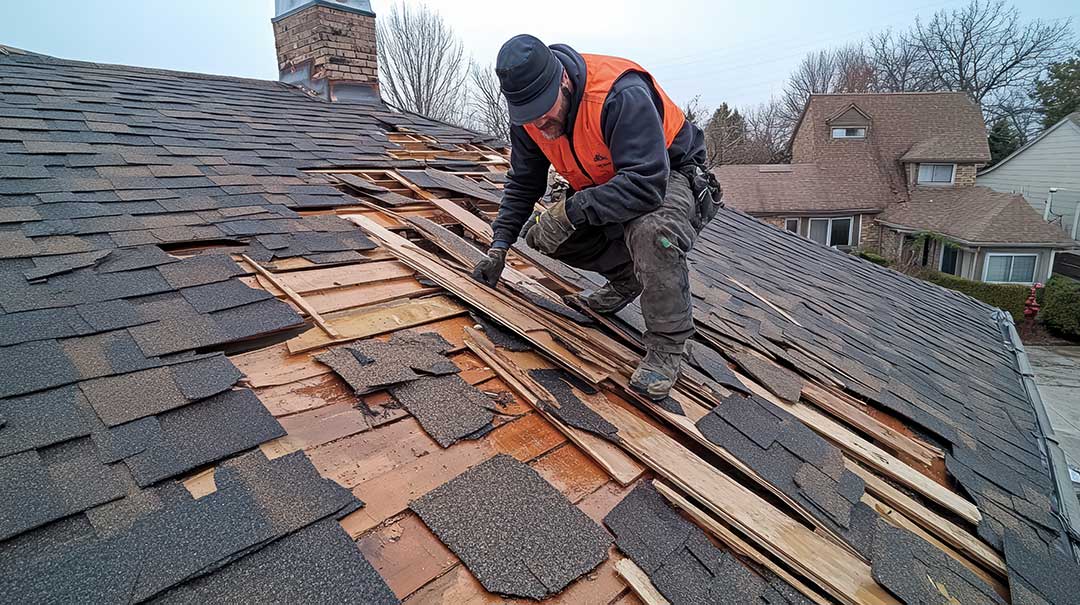
Small missteps can undo even the best intentions. In Hudson Falls, these are frequently seen problems:
- Skipping the flashing or boot, relying on caulk alone, which cracks in freeze-thaw cycles.
- Overapplying sealant, blocking natural water channels, leading to pooling and eventual leaks.
- Using low-quality or indoor caulks not rated for roofing or winter conditions.
- Not cleaning away moss or old, deteriorated sealant, which prevents a proper bond.
- Ignoring movement or loose penetrations (e.g., a wobbly vent pipe or poorly mounted bracket).
Is Roof Penetration Sealing a DIY Job or Should it Be Left to a Professional?
For low roofs with safe access and simple penetrations (such as a single vent stack), many Hudson Falls homeowners choose to handle sealing themselves, especially with the right preparation. However, certain cases require extra caution:
- Steep, high, or slippery roofs (especially in winter months)
- Complex penetrations such as chimneys, skylights, or multiple pipes grouped together
- Areas with obvious mold, rot, or widespread leaks
In these situations, safety and long-term durability may warrant consulting a qualified roofer who understands local climate stressors and materials.
How Often Should Roof Penetrations Be Inspected and Maintained in Hudson Falls?
Twice a year is a practical schedule—at the start of spring and before winter sets in—due to the region’s freeze-thaw patterns and heavy precipitation. After significant storms or freeze events, a visual check for sealant integrity or missing flashing is also wise. Early action at the first sign of cracked or missing material can save area households from costlier repairs.
What Are Some Overlooked Factors in Sealing Roof Penetrations Locally?
- Ice dams: Snow accumulation and poor attic insulation can drive water under poorly sealed flashing. In areas prone to ice damming, insulation and ventilation upgrades may be equally important.
- Animal activity: Squirrels and birds can disturb or chew on flashing and boots, especially near tree lines.
- Historic homes: Older properties in the community may use nonstandard materials that require special flashing solutions.
Locally, roofs see wide seasonal swings in temperature and precipitation. Choosing materials and techniques proven to withstand such conditions is key for long-term leak prevention.
