
What Are Soffits and Fascia and Why Do They Matter?
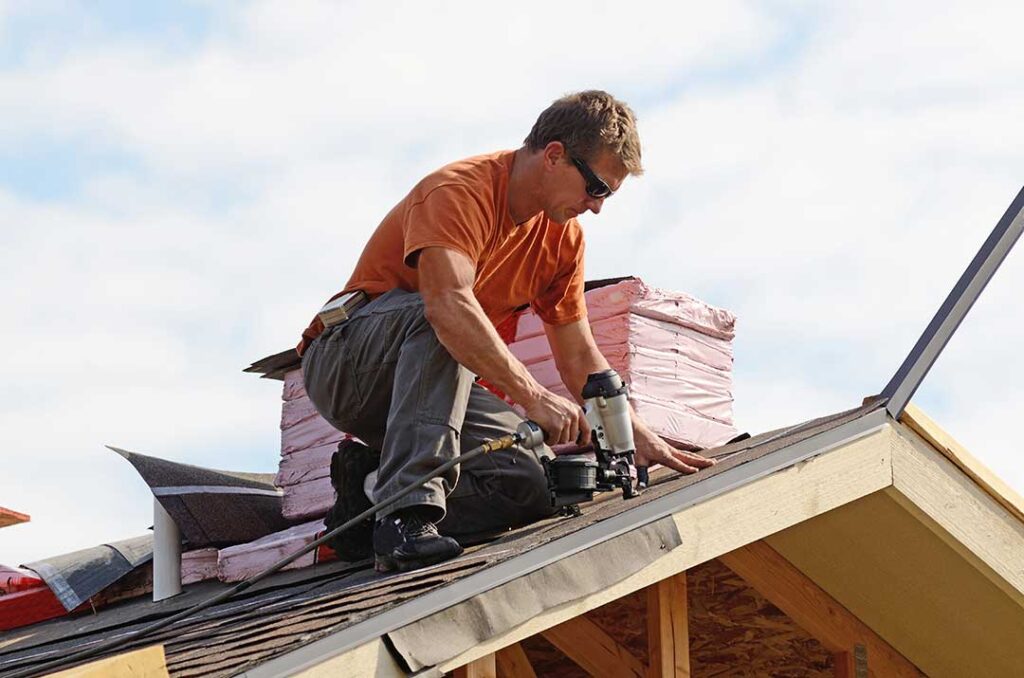
Soffits and fascia are essential parts of a roof’s structure, sitting at the junction where the roof meets the exterior walls. In Hudson Falls, NY, these components do more than provide a finished look—they help manage airflow, protect against weather, and deter pests. Many homeowners first notice these features when repairing or repainting their home, but their role goes much deeper.
Soffits are the horizontal boards found under the roof edge, while the fascia is the vertical board that runs along the edge where gutters are often attached. Together, they create a protective barrier and help maintain the integrity of a home’s attic and roof system.
How Do Soffits Support Ventilation and Prevent Issues?
Soffits play an essential role in ensuring a roof “breathes.” They usually contain vents that allow fresh air to enter the attic and circulate beneath the roof deck. In the climate of Hudson Falls, where both cold and hot seasons bring their own challenges, this ventilation is especially important.
Properly ventilated soffits:
- Allow cool, dry air into the attic during warm months, reducing the risk of overheating and moisture buildup.
- Help push moist, warm air out during winter, which limits condensation—the common cause of mold and wood rot in local homes.
- Contribute to preventing ice dams on roofs during thaw and freeze cycles typical in the region.
Without functioning soffits, attics in Hudson Falls homes can quickly develop trapped heat or moisture. This not only shortens roof lifespan but can also raise indoor humidity, leading to possible health concerns or warped building materials.
What Does the Fascia Do for a Home?
The fascia board reinforces the roof edge and supports the lower row of roof tiles or shingles while providing a secure mount for gutters. In a region like Hudson Falls, with heavy rain and snow in parts of the year, the strength and reliability of fascia boards are particularly important.
Key functions of fascia:
- Holding up the bottom row of shingles for a smooth, finished appearance
- Bearing the weight of gutters filled with snow and ice during winter storms
- Shielding the roof edge and underlying wood from water intrusion and insects
If water damages the fascia, it can quickly spread to the rafters or allow pests access into the attic. Damage is often first noticed as peeling paint, soft spots, or sagging gutters along the roofline.
Are There Common Soffit and Fascia Problems in Hudson Falls Homes?
With the range of seasonal weather shifts, several issues tend to appear more in this area’s homes:
- Ice dams causing water to back up under poorly ventilated soffits in winter
- Moisture damage or peeling paint from leaking gutters or ice buildup along the fascia
- Birds, squirrels, or insects entering attics through gaps in soffit panels
Heavy snow and rain can challenge aging or improperly installed fascia, leading to warping or rot. In some older homes in Hudson Falls, wooden fascia and soffits may need more frequent maintenance due to these weather impacts.
What Materials Are Used and How Do They Hold Up Locally?
Materials used for soffits and fascia vary, but each has implications for durability and maintenance in Hudson Falls:
- Wood is traditional and offers a classic look but requires routine painting or sealing to resist moisture.
- Aluminum and vinyl are popular for lower maintenance and improved weather resistance, holding up well in local freeze-thaw cycles.
- Composite materials are sometimes used for fascia, combining strength and resistance to rot, though installation details matter for performance.
Residents should consider the appearance of their homes and the amount of maintenance they’re prepared to handle each year. Swapping older wooden soffits or fascia for more resilient materials is a common improvement in the area, especially as homes age.
How to Spot Problems or Know When Attention Is Needed?
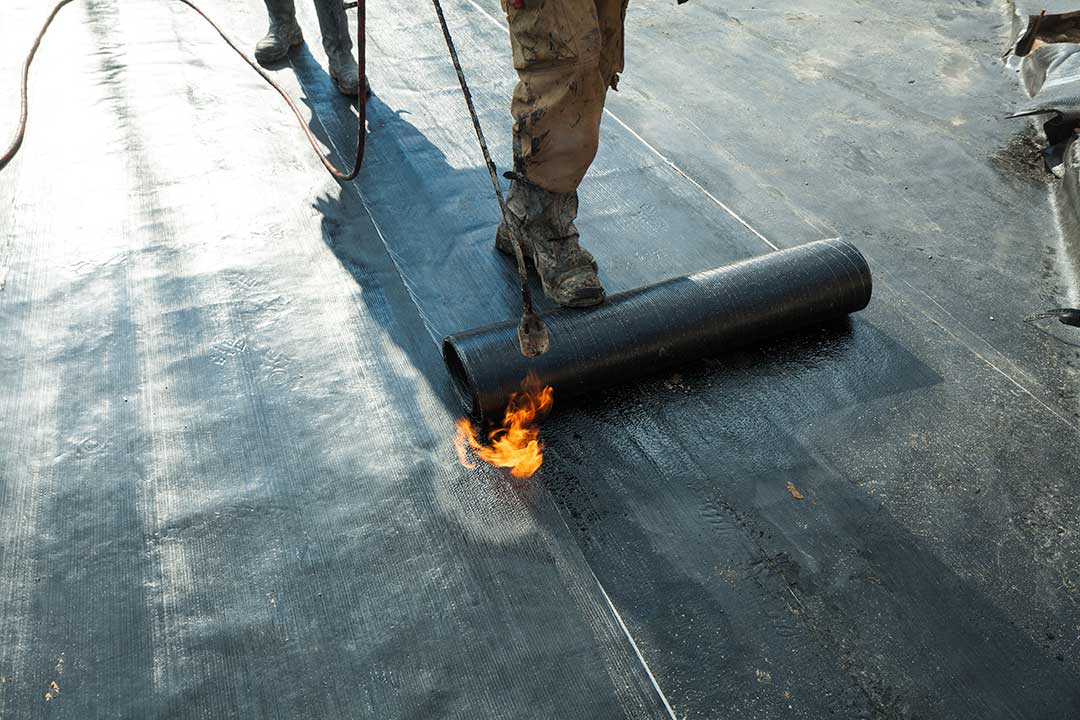
Routine inspections—especially following storms or each spring and fall—can prevent small soffit or fascia problems from becoming big repairs. Watch for:
- Peeling or bubbling paint along fascia boards or under eaves
- Soft or sagging sections where gutters connect
- Small holes, gaps, or visible evidence of pests
- Unusual attic humidity or signs of mold around roof edges
Gutters pulling away from the roofline often indicate fascia starting to fail, especially in areas where ice or water pools. In many cases, small repairs or touch-ups can be done without extensive intervention, as long as underlying structures remain solid.
How Do Soffits and Fascia Impact Other Household Systems?
Both soffits and fascia directly affect other visible (and less visible) features of a home:
- Gutters: Secure fascia ensures gutters remain attached and handle rain or snowmelt effectively across all seasons in Hudson Falls.
- Attic insulation: Ventilated soffits help insulation stay dry, preserving energy efficiency and minimizing heating costs during cold winters.
- Pest control: Intact, well-maintained soffits and fascia limit access by wildlife or insects, common concerns for area households situated near trees or wooded lots.
Homeowners sometimes overlook these links, but issues like persistent ice dams or runaway gutter leaks are often traced back to a small soffit or fascia fault.
What Are Common Misconceptions About Soffits and Fascia?
A frequent misconception is that their job is purely decorative. While they definitely improve curb appeal, the real value of soffits and fascia comes from practical protection and improving household comfort.
Another myth is that damaged sections are easy to ignore. Because water or pests can quickly exploit small weak spots—especially with Hudson Falls’ seasonal changes—proactive inspection and early fixes go a long way.
How Do Weather and Aging Affect Longevity in This Region?
Seasonal extremes in this part of New York—especially ice, wind, and temperature swings—can accelerate wear and tear. Even modern, maintenance-free materials require occasional checks for dislodged panels or hidden water entry.
Older homes, those with tall trees near the roofline, or properties exposed to prevailing winds see more frequent issues. Keeping gutters clear, managing attic insulation, and watching for ice dams are simple steps to extend the life of soffits and fascia around Hudson Falls homes.
