

Why Should Hudson Falls, NY Residents Care About Rooftop Safety?
Rooftop safety is a real concern for Hudson Falls, NY homeowners, especially in a region with seasonal weather swings and mature housing stock. Residents who try to handle roof inspections, gutter cleaning, or small repairs themselves need to be especially informed because slips and falls can result in severe injuries. Prioritizing personal safety protects both people and property.
What Basic Precautions Should Homeowners Take Before Going on the Roof?
Before stepping foot on any roof, it’s crucial to assess both the surface conditions and your own readiness. Roof work is safest when:
- The weather is dry; never climb onto the roof if it’s wet from rain, dew, or ice.
- The roof has no visible damage that could create loose or unstable areas.
- You have the right footwear—shoes or boots with soft, rubber soles for grip.
- The ladder is in excellent condition and placed on level, stable ground.
Personal limits are also important. If you feel unsure of your balance, have health-related mobility concerns, or lack experience with climbing, it’s much safer to stay on the ground.
How Do Local Seasonal Conditions Affect Rooftop Safety?
The climate in Hudson Falls exposes roofs to snow, ice, fallen leaves, and rapid temperature changes. Each season brings different hazards:
- Winter and Early Spring: Roofs may retain hidden patches of ice or slush, even if the surface looks clear from below. Freeze-thaw cycles can loosen shingles or create slick spots.
- Autumn: Leaves and moss can make surfaces unexpectedly slippery. Loose organic matter may hide unsafe areas beneath it.
- Summer: High heat can make roofing materials soft and unpredictable, especially asphalt shingles.
Checking the weather forecast and avoiding rooftops during or immediately after precipitation is the safest practice.
What’s the Safest Way to Use a Ladder for Roof Access?
Ladders are involved in many injuries—sometimes more than the roof itself. To help limit risk:
- Always choose a ladder that extends at least three feet above the roof edge.
- Inspect the ladder for bent, cracked, or broken rungs before use.
- The base should rest on firm, level ground, not loose soil or uneven lawn.
- Have someone hold the base steady whenever possible.
- Position the ladder at a 4:1 angle (for every 4 feet up, the base should be 1 foot out from the wall).
Never lean out to the side when stepping onto or off the ladder—move your body between the rails to keep balance.
Are There Special Hazards in Older Hudson Falls Roofs?
Many homes in Hudson Falls are decades old. Older roofs may have:
- Weakened decking hidden beneath intact shingles
- Moss, rot, or mold-softened wood
- Nail pops or loose slate tiles
Testing footing by pressing down gently before committing full weight is a small step that can prevent falls through weakened spots. Listen for creaks or “give” in the surface. If there’s any doubt about the strength of the underlying materials, do not proceed.
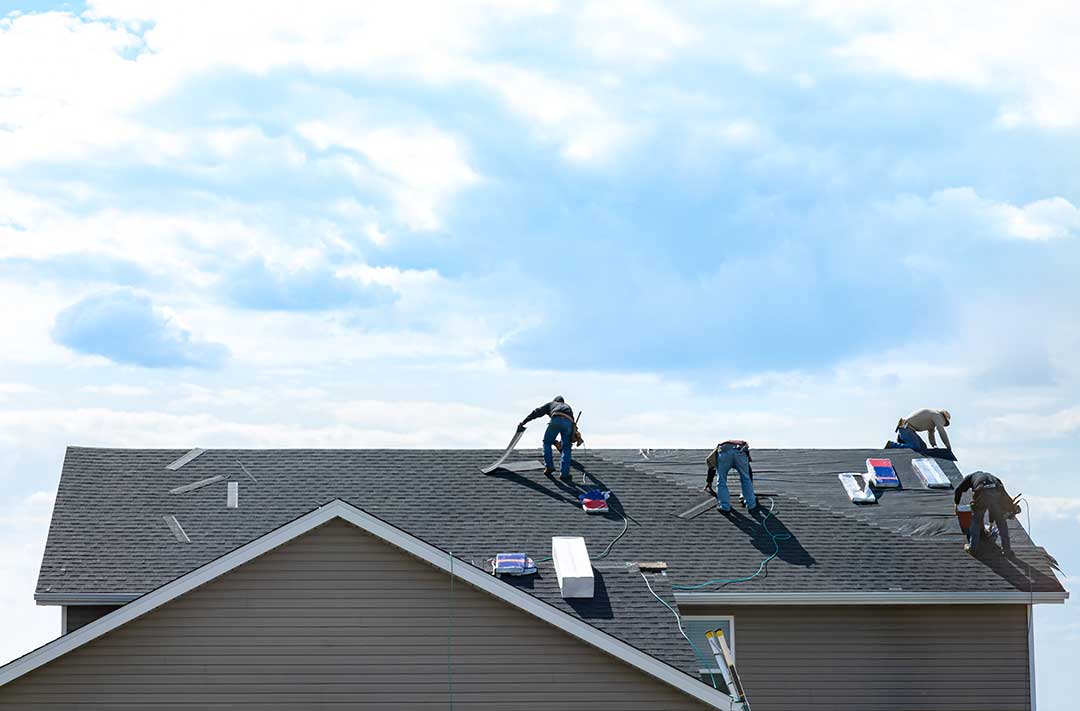
What Gear Improves Personal Safety During Roof Work?
Basic personal protection makes rooftop tasks less risky. Essentials for area residents include:
- Non-slip shoes with good tread
- Gloves for grip and to protect against sharp edges
- Safety glasses if debris or branches are nearby
For steeper or taller roofs, those with harnesses designed for fall protection will have extra security. However, harness systems have a learning curve and should be properly anchored to framing, not simple roof vents or gutters.
Should Homeowners Work Alone on Rooftops?
Even experienced residents should avoid solo roof work. Having someone nearby doesn’t just provide peace of mind—it ensures immediate help can be summoned if an accident occurs. This is particularly important in quieter neighborhoods where foot traffic is sparse and help wouldn’t arrive quickly by chance.
Keep a phone within reach, avoid headphones that block out environmental sounds, and let someone know when you start and finish working on any elevated surface.
Are There Common Misconceptions About Rooftop Safety in This Area?
Many believe brief or “simple” tasks—like retrieving a ball or checking for missing shingles after a storm—carry little risk. Falls can and do happen in just a few seconds, often during those very activities. Another misconception is that flat or gently sloped roofs are safer; in fact, these can be deceptively slippery during seasonal moss growth or after frost.
Lastly, many underestimate the risks posed by overhanging wires, low tree branches, and wasp or hornet nests, all of which are fairly common hazards in the city’s tree-lined neighborhoods.
When Is It Absolutely Necessary to Stay Off the Roof?
There are specific situations where local homeowners should avoid rooftop access entirely:
- During or after any precipitation, including dew or frost
- If the roof surface feels spongy, cracked, or sagging in places
- In the presence of visible mold, rot, or excessive moss
- If hornet or wasp activity is seen near the eaves or attic vents
Major storm damage, suspected structural concerns, or electrical hazards (like downed wires) are signs to wait for professional assistance, as these present urgent safety risks for both the homeowner and the property.
