
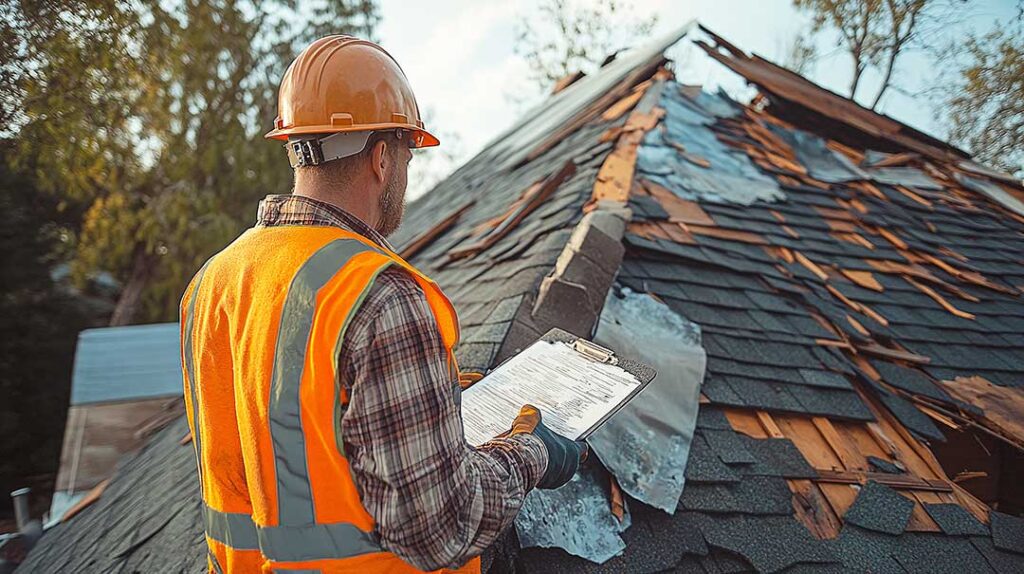
Roof damage does not stop during a pandemic, severe storm, power outage, or other community emergency. For households in Hudson Falls, NY, the safest approach is to separate urgent hazards from problems that can be monitored, reduce unnecessary exposure, and document conditions before temporary repairs begin.
Which roof problems require immediate attention?
A roof problem is urgent when delaying action could threaten people, cause major interior damage, or make the building unsafe. Active water entry during rain, a partially collapsed roof, exposed electrical wiring, or large sections of loose roofing should not be treated as routine maintenance.
Priority situations include:
- Water entering near electrical fixtures, outlets, or wiring
- A ceiling that is sagging, bulging, or visibly wet
- Roof sections lifted or missing after high wind
- Large tree limbs resting on the roof
- Ice or snow creating unusual structural stress
- Openings that allow rain, freezing air, or animals into the building
- Debris blocking drainage around roof edges or roof penetrations
If there is an immediate danger of collapse, fire, electrocution, or falling materials, occupants should move away from the affected area and follow emergency guidance. A temporary roof covering should never be installed by someone standing on an unstable roof or working near damaged electrical equipment.
Minor issues, such as a small stain from an old leak that is currently dry, may allow time for observation and planning. However, a small ceiling mark can still indicate wet insulation, concealed wood damage, or a leak that appears only during certain wind directions.
How can a homeowner decide whether a repair can wait?
The key questions are whether water is actively entering, whether the damage is spreading, and whether weather conditions are likely to make it worse. A roof that is stable and dry may be monitored for a short period, while an opening exposed to rain or freezing temperatures generally needs temporary protection.
During a crisis, inspect from the ground or from inside the building whenever possible. Look for:
- New stains, dripping, or damp insulation
- Missing shingles or visible gaps
- Water collecting in the attic or upper-floor ceiling
- Daylight visible through the roof
- Bent flashing around chimneys, vents, or wall intersections
- Gutters or downspouts pulled away from the structure
- Sudden drafts or unusual sounds during wind
Do not climb onto a roof covered with ice, snow, standing water, loose materials, or steep-slope hazards. Conditions that are manageable during dry summer weather can become dangerous during Hudson Falls winters, when freezing temperatures, snow accumulation, and rapidly changing weather affect footing and materials.
What temporary measures are appropriate?
Temporary protection should limit further damage until a permanent repair is safe and practical. The purpose is to keep water out, not to create a finished roof.
A homeowner may be able to take low-risk steps such as placing containers beneath an interior leak, moving furniture away from water, and covering belongings with plastic. If safe access is available from the ground, clearing a blocked downspout may reduce backup, but roof surfaces and ladders create significant fall risks.
A temporary exterior covering can be useful after storm damage, but it must be secured correctly and should not be placed over unstable decking, damaged power lines, or areas that may collapse. Tarps can also collect water, tear in wind, and create additional hazards if installed poorly.
Inside the home, avoid cutting into a sagging ceiling. Water trapped above a ceiling can be heavy, and disturbing the surface may release it suddenly. If the ceiling is bulging, keep people away and address the source of the water only when it can be done safely.
How can roof repairs be handled during a pandemic?
During a contagious disease outbreak, roof work should be organized around necessity, distance, ventilation, and clear communication. Emergency repairs that prevent structural damage or protect occupants generally take priority over cosmetic work.
Before anyone enters the home, provide information about the affected area and ask whether the inspection can be performed from outside, through photographs, or by video. A simple description of the roof type, leak location, recent weather, and visible damage can reduce unnecessary visits.
For in-person work, practical precautions may include:
- Keeping conversations outdoors when possible
- Limiting access to the home
- Identifying a separate route to the attic or roof area
- Opening windows only when weather and security allow
- Keeping children, pets, and unrelated household members away from the work zone
- Avoiding shared tools and frequently touched surfaces
- Confirming illness or exposure concerns before an indoor visit
- Using face coverings or other precautions appropriate to current public-health guidance
These steps are not a substitute for official health instructions, which can change during an outbreak. They are ways to reduce avoidable contact while necessary building work is completed.
What should residents do if materials or labor are delayed?
Supply shortages, transportation interruptions, severe weather, or restrictions on nonessential work can delay permanent repairs. In that situation, the immediate goal is to control water and prevent additional damage.
Document the condition with dated photographs from safe locations. Record when the leak began, what rooms are affected, whether the damage changes during rain, and what temporary steps were taken. Keep receipts for emergency materials and note any areas that could not be safely inspected.
If interior moisture remains for more than a short period, watch for musty odors, discoloration, soft drywall, or signs of mold growth. Wet insulation may need attention even after the roof appears dry. Delayed drying can also damage wood framing and flooring.
Do not cover a damp ceiling or wall with paint simply to hide staining. The source must be controlled first, and hidden moisture can continue causing damage behind the surface.
Can insurance or emergency assistance help?
Insurance decisions depend on the policy, the cause of damage, and whether the problem resulted from a sudden event or long-term deterioration. Wind, falling objects, and certain storm losses may be treated differently from worn shingles, neglected flashing, or gradual seepage.
Notify the insurer according to the policy instructions when damage may be covered. Photographs, written notes, receipts, and records of temporary protection can help establish what happened. Avoid discarding damaged materials before they are documented unless they present a health or safety hazard.
A policy may require reasonable steps to prevent further damage, but that does not mean taking unsafe action. Emergency measures should be limited to what can be done without climbing onto an unstable roof or exposing occupants to electrical or structural dangers.
Public emergency programs, building requirements, and health rules may vary by event. Any repair involving structural changes, major reconstruction, or work affected by local code should be checked against current requirements before construction begins.
What common mistakes should be avoided?
The most frequent mistake is treating every roof issue as either a do-it-yourself project or a complete emergency. A better decision considers the severity of the damage, the weather forecast, the building’s condition, and the safety of the people involved.
Avoid:
- Walking on a wet, icy, steep, or visibly damaged roof
- Using a ladder near overhead electrical lines
- Pulling down hanging materials without knowing what supports them
- Sealing over wet materials without drying the area
- Relying on interior buckets while ignoring a spreading leak
- Removing storm debris before documenting the damage
- Assuming a leak is fixed because dripping has stopped
- Allowing children or pets near tools, ladders, debris, or open ceilings
A crisis can make normal decisions feel rushed, but roof damage is easier to manage when the immediate hazard is identified first, temporary protection is used carefully, and permanent work is planned after conditions become safer.
