
What Should You Do First If Your Roof Is Damaged Unexpectedly?
Safety is the top priority when faced with sudden roof damage, such as from a storm, fallen branch, or heavy ice. Before inspecting or attempting repairs, always check that the situation is safe from both outside and inside the house. If there are power lines down, suspected structural instability, or active leaks near electrical outlets, evacuate the area and wait for emergency services to clear immediate hazards.
Once it’s safe:
- Investigate where leaks or water entry is happening (attic, upper floors, ceilings).
- Document visible damage with photos using a phone or camera. This helps for any future discussions with your insurance company or local authorities.
- If possible, prevent additional water from spreading by placing buckets or containers under drips, and moving valuables out of harm’s way.
How Can You Minimize Water Damage Inside Your Home?
Quick action during and after a leak can limit long-term issues such as mold, rot, or ruined interiors. Using simple household items can make a big difference:
- Lay thick towels or old blankets around leak areas to absorb drips.
- Place plastic sheeting, large garbage bags, or waterproof tarps over beds, electronics, or furniture below the problematic area if the leak continues.
- Open windows and use fans to improve air circulation, which helps dry out wet areas faster—especially needed in Hudson Falls' humid summer spells or after heavy autumn rain.
If water pools on ceilings, it may cause cracks or even collapse. In this case, carefully make a small poke with a screwdriver to allow controlled drainage into a bucket, preventing larger, uncontrolled breaks.
Is It Safe to Go on the Roof for Temporary Repairs?
Climbing onto a roof after damage is risky, especially if shingles are loose, it’s wet, icy, or dark. In the city, single-story homes make access easier, but safety should never be neglected. Only consider climbing onto the roof if:
- The roof is dry and stable underfoot.
- You have non-slip shoes and a steady ladder anchored on level ground.
- No severe structural collapse or nearby tree limbs threaten your balance.
If these conditions aren’t met, handle temporary fixes from the ground or within an attic until further inspection is possible.
What Are Simple Temporary Repair Options?
Temporary solutions can reduce additional damage before longer-term fixes are possible. Local residents often deal with heavy snowfall, spring rains, and wind events, so these options are practical for varied weather:
- Use a heavy-duty tarp and secure it tightly with wood strips nailed or weighted along the edges. Overlap the roof’s damaged section by at least a few feet in all directions.
- Duct tape and waterproof patch kits can provide very short-term fixes on small punctures for a day or two.
- In attics, place boards or a tarp under the damaged roof area to keep insulation and belongings dry.
- Avoid using adhesives or caulking on wet surfaces; they won’t adhere properly and may cause additional trouble when drying.
Can You Prevent Future Roof Emergencies in This Area?
While not every emergency is avoidable, several local habits lower the risk of major roof problems:
- Clean gutters at least twice annually—in late spring and late fall—to prevent water back-up under shingles, a common issue in Hudson Falls due to autumn leaves and seasonal maple debris.
- Trim nearby branches before winter storms; falling limbs after ice or heavy snow are a frequent cause of local damage.
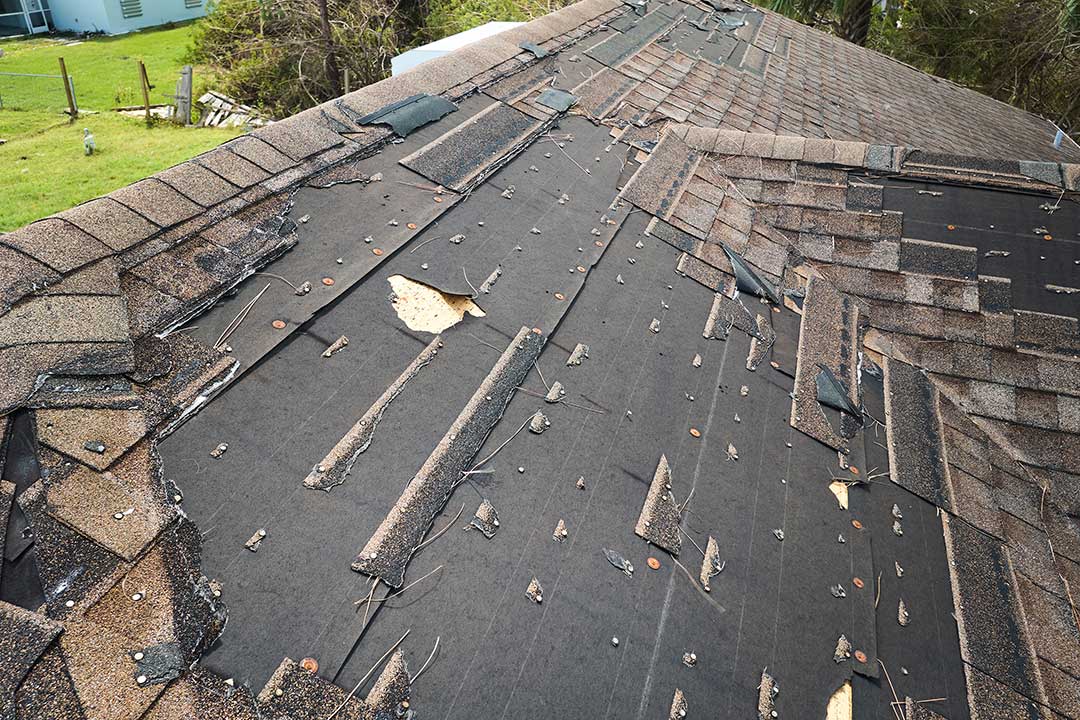
- After high wind or hail, check your yard and attic for stray shingles, granules, or leaks, as prompt detection helps avoid escalating repairs.
- Schedule winter checks for ice dam formation, especially after snow accumulation followed by freezing temperatures.
Are Emergency Roof Repairs Covered by Homeowners’ Insurance?
Most standard homeowner policies include roof coverage for sudden, accidental damage such as storms or falling debris—less so for long-term wear, neglect, or uncovered causes. Taking photos, keeping repair receipts, and making notes on storm conditions are often requested for local insurance claims. Always patch with temporary measures to prevent worsening damage, as many policies require “reasonable steps” to stop further problems after an incident.
Common Misconceptions About Handling Roof Emergencies
Some area households believe that minor damage can always wait until the next day, but Hudson Falls’ variable rain and fast temperature swings make delays risky. Waiting until rain or snow subsides may result in water reaching building interiors, insulation, or electrical systems.
Another misconception is that plastic sheeting inside the attic is enough. While helpful, it will not prevent water entering walls or flowing along beams—tarping the exterior is far superior for short periods.
Who Should You Notify After an Emergency?
Notify your insurance provider soon after documenting the situation. Local authorities should only be contacted for situations posing public safety risks (utility lines down, road blocks, or hazardous debris). For community members in multi-family housing, report damage immediately to building management or the homeowner’s association to address shared roof sections responsibly.
