
What Are Cool Roof Ratings and Why Do They Matter in Hudson Falls, NY?
Cool roof ratings measure how well a roofing material reflects sunlight and releases absorbed heat. In Hudson Falls, NY, where summers bring warm temperatures and humid days, these ratings can influence home comfort, summer energy use, and even roof longevity.
Residents often ask whether a "cool roof" is relevant here, given the mix of humid summers and icy winters. The answer is yes: roofs with higher cool ratings help reduce summer heat buildup in attics, which can lower cooling needs and improve indoor comfort – even in homes that primarily rely on fans or window units.
How Are Cool Roof Ratings Measured?
Cool roof performance is rated using two main values:
- Solar Reflectance: The percentage of sunlight reflected by the roof surface. Higher numbers reflect more heat.
- Thermal Emittance: The ability to release absorbed heat. Higher emittance means the roof cools down more quickly.
These numbers are combined into a Solar Reflectance Index (SRI), which rates total coolness from 0 (least cool) to 100 (most cool). In practical terms, the SRI helps homeowners compare products without needing to interpret complex data points.
What Types of Roofing Materials Score High on Cool Roof Ratings?
Materials commonly available to Hudson Falls residents include:
- White and light-colored membranes (like TPO or PVC): These score very high because they reflect much of the sun’s energy.
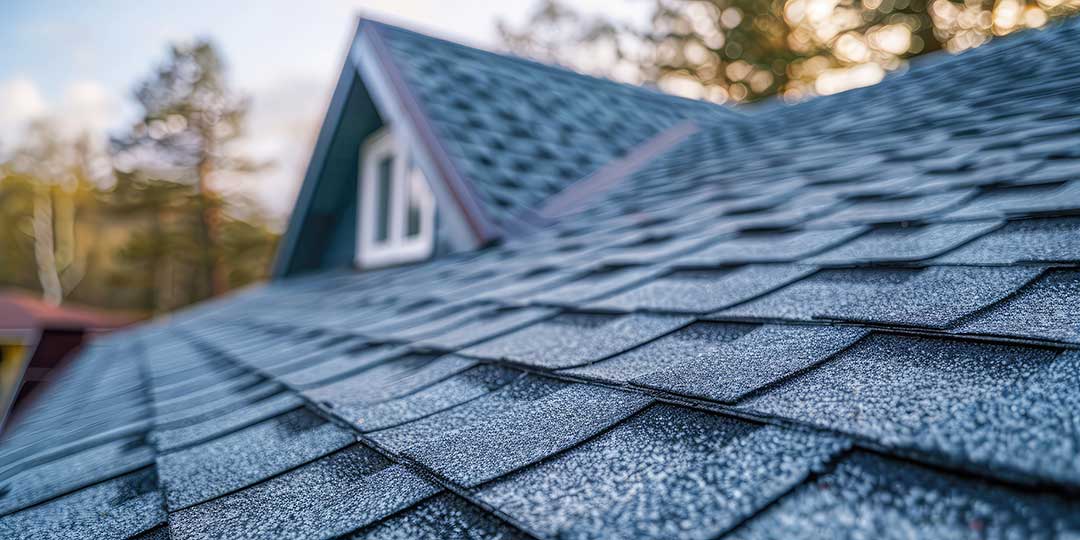
- Asphalt shingles: Standard dark shingles have lower cool ratings. Some newer "cool" asphalt shingles use special granules for improved performance, but their numbers are typically lower than membrane or metal.
- Metal roofing: Can range from moderate to high, depending on color and finish. Lighter, painted metal often outperforms darker types.
- Coated roofs: Certain roof coatings can upgrade the reflectance of existing flat or low-slope roofs.
Local climate plays a role in long-term performance. For example, the freeze-thaw cycles common in Hudson Falls mean durability against ice and snow is just as important as summer reflectance, so total performance matters as much as a cool rating.
Can a Higher Cool Roof Rating Reduce Energy Bills in Hudson Falls?
Cool roofs primarily help during the warm, sunny months by limiting attic heat gain. While Hudson Falls does not have the long, extreme heat spells seen elsewhere, enough hot days occur each summer to make a difference—especially in homes with finished attics or upstairs living areas that tend to overheat.
Common real-world energy benefits include:
- Lower air conditioning and fan costs on humid summer days
- Reduced overheating in upper stories, making bedrooms and living spaces more comfortable
- Potential moderation of attic temperatures, slowing wear on insulation or stored items
Winter heating costs are minimally affected because the sun’s angle is lower and daylight is reduced during the coldest months, so heat losses through the roof rarely increase with higher cool ratings.
Are There Local Building Codes or Incentives Related to Cool Roofs?
Hudson Falls, NY does not have specific local ordinances requiring cool roof installations for homes. Most building requirements focus on structural safety, snow load, and fire rating.
However, homeowners planning major roofing projects can consult New York State residential codes for energy efficiency. Cool roof materials may count toward energy-saving criteria for certain state or utility rebates, but eligibility varies; it’s wise to review official state energy websites.
What Are Common Misconceptions About Cool Roofs in Hudson Falls?
Some area residents have questioned whether "cool" roofs are only for hot climates. In truth, cool roof benefits extend to most roofing types and climates, including Hudson Falls, due to:
- Short but intense summer heat, making attic cooling valuable
- Prevention of premature roof aging from summer thermal stress
- Protection of indoor comfort during summer events and gatherings
Another misconception is that a lighter-colored roof won’t be durable in snowy, icy winters. When installed to local standards, light-colored membrane or metal roofing withstands ice, snow, and freeze-thaw cycles just as well as darker types. Selection and professional installation make the difference.
What Factors Should Local Homeowners Weigh When Assessing Cool Roof Ratings?
Choosing a roof with the best rating isn’t the only concern. Hudson Falls homeowners should also consider:
- How the color will look with neighboring homes and local architectural traditions
- Resilience to heavy snowfall, wind, and freeze cycles
- Warranty and maintenance needs for specific materials
- Whether increased reflectivity will affect neighbors’ comfort or glare
For families living in tree-shaded sections of the city, the benefits of a very high cool roof rating may be less pronounced, since more roof area stays in shade.
How Can You Check or Compare Cool Roof Ratings?
Most roofing materials sold in the region include labeling or online documentation showing Solar Reflectance, Thermal Emittance, and SRI values. Look for third-party testing labels from recognized organizations, like the Cool Roof Rating Council (CRRC).
If in doubt, ask for documented values in product guides or look for roofing specifications on the manufacturer’s website. This helps ensure that ratings are based on standardized tests rather than marketing terms.
