

What Are Local Building Codes and Why Do They Apply to Roofs?
Local building codes are rules established by municipal or county governments to ensure structures are built safely and to minimum standards. For roofing, these codes lay out specifications for materials, installation methods, ventilation, insulation, and weather resistance. Hudson Falls, NY adopts codes that reflect both statewide guidance and unique conditions experienced by residents, such as cold winters, seasonal heavy snowfall, and occasional windstorms.
Roofing codes help protect local households from problems like structural failure, leaks, mold, or damage caused by severe weather. Following these rules not only keeps residents safer but also helps preserve property values and avoid costly complications.
How Do Building Codes Affect Roofing Choices in the Hudson Falls Area?
Building codes directly influence what type of roofing work can be done, which materials are allowed, and how those materials must be installed. In Hudson Falls, codes are updated periodically to account for changing safety standards, new research, or observed local risks.
For example:
- All new roofs must be rated to withstand a certain snow load based on the average and maximum recorded snowfall in the region.
- Specific underlayments and waterproofing materials are required to prevent ice dam formation—a common winter issue in this climate.
- Ventilation must be designed to reduce condensation and ice buildup, common in homes that endure significant temperature swings between seasons.
Failing to follow these requirements can lead to leaks, shortened roof lifespan, or even insurance claim issues if damage is traced back to non-compliance.
What Happens If Roofing Work Ignores Local Building Codes?
When roofing work skips required permits or ignores codes, several problems can result:
- The roof may not resist wind, snow, or water as intended, increasing risks to safety and property.
- Unpermitted or non-compliant roofs can delay or derail real estate transactions, as home inspections regularly check for observable code violations.
- Insurance companies may deny claims for roof-related damages if there’s evidence the roof was not built to code, leaving owners responsible for repairs.
- In some cases, the city may require the work to be redone at the owner’s expense.
Applying for permits and ensuring all roofing activities meet current requirements protects both safety and long-term investment.
Which Roofing Topics Are Most Affected by Building Codes in This Community?
Several aspects of roofing work in Hudson Falls are particularly influenced by local codes:
- Snow Load Ratings: Roof structures must be engineered to handle significant accumulated snow. Too little capacity can pose a collapse risk.
- Ice Dam Protection: Eave flashing, insulation, and ventilation standards aim to prevent water back-up under shingles during freeze-thaw cycles.
- Fire Safety: There are material ratings that limit what kinds of roofing coverings can be used, especially near chimneys or neighboring structures.
- Nailing and Fastening Standards: Placement and spacing of nails/screws must meet city standards to resist wind uplift, which is tailor-made for local storm patterns.
Residents often overlook the need for code-compliant attic ventilation or underestimate how the right waterproofing can prevent hidden mold growth in roof assemblies.
When Do Homeowners Need Permits or Inspections for Roofing Projects?
Generally, in Hudson Falls, a building permit is needed for:
- Full roof replacements
- Large-scale roof repairs involving structural changes
- Installation of new roof layers (e.g., adding a second layer of shingles)
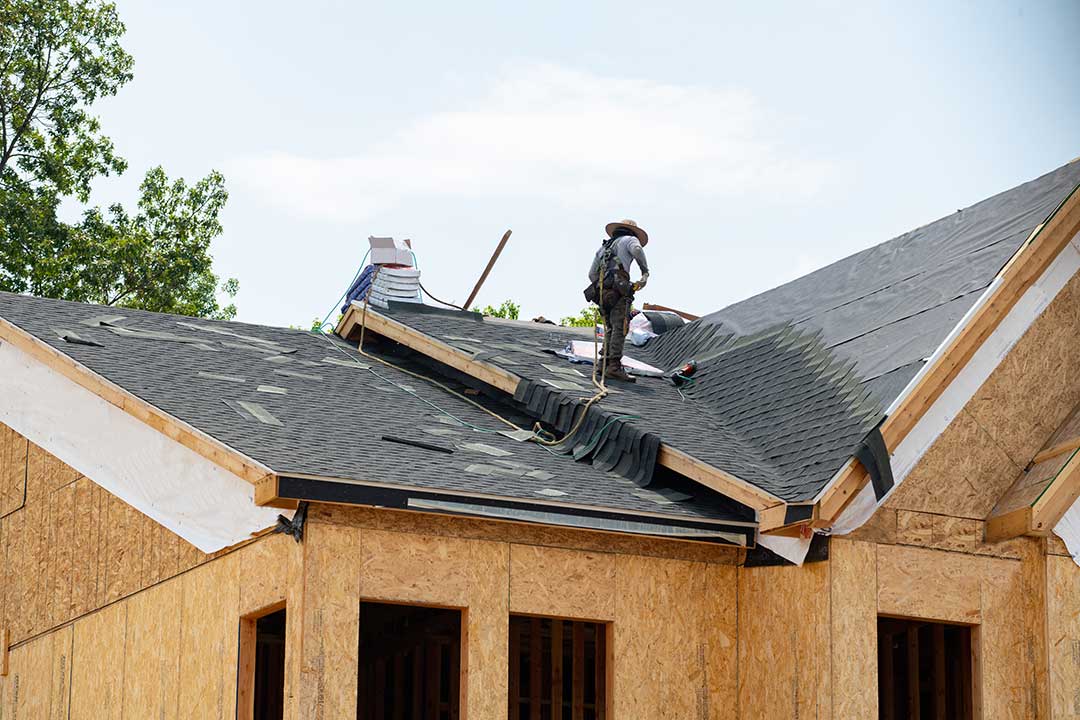
Simple patch jobs or minor leak fixes that do not alter structure or add new materials may be exempt. However, it’s wise for residents to contact the local building department for clear guidance before starting any significant roofing project.
After the work, a city inspector typically visits to verify that materials, methods, and finishes match the current codes. This helps catch potential errors early and ensures long-term safety.
What Are Common Misunderstandings About Roofing Codes?
Some homeowners believe codes are just red tape or only for major commercial buildings. The reality is:
- All residential roofing work—regardless of home size—must meet the same safety codes.
- Codes are updated as new building science or local incident reports reveal better ways to protect homes.
- Not all common roofing shortcuts are legal. For instance, covering old shingles with new ones is no longer allowed in many circumstances because it can hide rot and risks.
- Previous owner “repairs” may not have complied with codes, so if buying a home, it’s worth checking roofing permit history.
Why Is Local Climate So Important in Hudson Falls Roofing Codes?
The climate in Hudson Falls greatly impacts the types of roof failures seen in the community, so local codes have adapted over time. Roofs here experience:
- Prolonged freeze-thaw cycles
- Significant annual snow accumulations
- Heavy rains in late summer and fall
- Occasional hail and wind events
Local building rules make sure all new roofs are prepared to withstand these specific hazards, with requirements that might not apply in milder parts of the state. Code-compliant roofs last longer, require fewer emergency repairs, and protect the health and comfort of residents throughout the cold season.
