
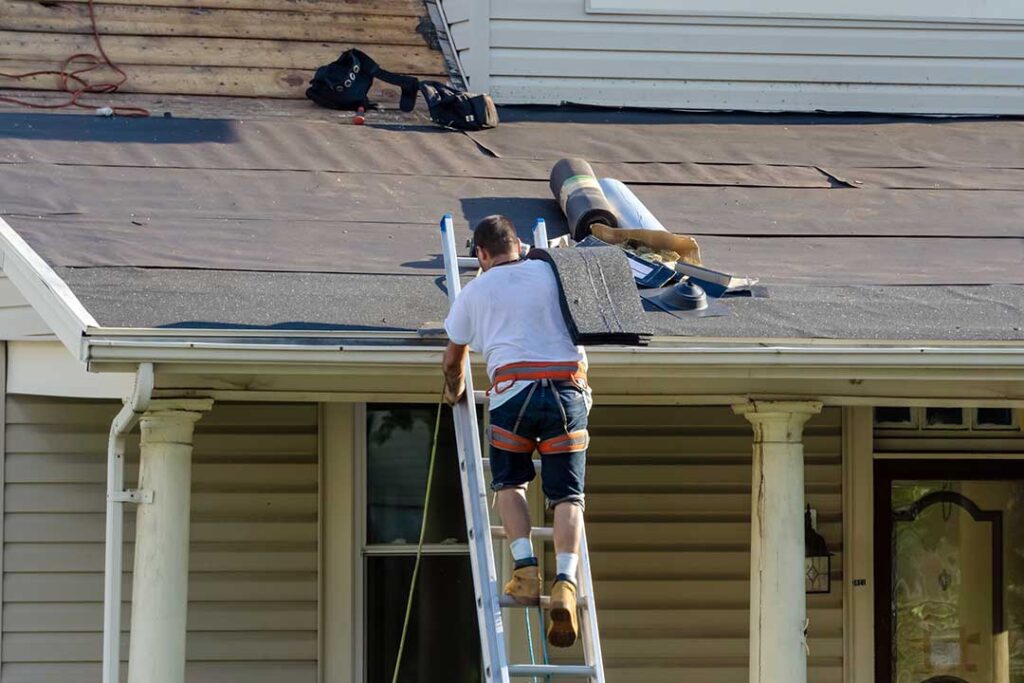
Replacing a roof can help reduce energy bills, but the savings usually come from more than new shingles or roofing panels alone. The largest benefits often result when roof replacement is combined with attic air sealing, insulation improvements, moisture control, and properly designed ventilation.
For households in Hudson Falls, NY, where winter heating is a major part of annual energy use, the roof assembly can affect comfort and fuel consumption throughout the year.
Can a new roof actually lower energy bills?
Yes, but the amount depends on the condition of the existing roof and what is upgraded beneath it. A roof replacement may reduce energy use when it corrects air leaks, restores missing insulation, improves ventilation, or replaces damaged materials that allow heat and moisture to move through the building.
A roof covering by itself is not usually a complete energy-efficiency upgrade. Shingles protect the structure from weather, but the attic floor, roof deck, insulation, air barrier, and ventilation system have a greater effect on heat flow.
If an older roof has been associated with drafts, ice buildup, uneven room temperatures, or a hot upper floor in summer, the replacement project may provide an opportunity to address those issues together.
How does the roof affect winter heating costs?
Heat naturally moves toward colder areas. During winter, warm indoor air can escape through openings around ceiling fixtures, attic hatches, wiring, plumbing penetrations, and wall-to-ceiling joints. Once that heated air reaches the attic, it can contribute to heat loss, frost, and moisture problems.
Air sealing helps stop uncontrolled movement between the living space and attic. Insulation then slows heat transfer through the ceiling. The U.S. Department of Energy identifies attic air sealing around common penetrations as an important part of improving the building envelope, while federal building-science guidance notes that effective attic air sealing can reduce fuel use and help prevent moisture problems. ([energy.gov](https://www.energy.gov/cmei/buildings/articles/energy-efficient-home-improvement-credit-insulation-and-air-sealing?utm_source=openai))
During a roof replacement, it may be easier to inspect areas that are otherwise difficult to reach. This can reveal:
- Compressed, missing, or displaced insulation
- Darkened wood or insulation caused by moisture
- Blocked soffit or ridge ventilation
- Gaps around chimneys, plumbing vents, and electrical penetrations
- Inadequate insulation at attic edges and eaves
- Damage near valleys, roof transitions, or flashing
Correcting these conditions can make the heating system’s work more effective because less conditioned air is lost through the top of the home.
Why is attic insulation often more important than the roofing material?
The attic floor or roof assembly usually provides the main thermal boundary between heated rooms and the outdoors. A new roof covering may last longer and resist weather better, but it will not compensate for thin insulation or substantial air leakage.
NYSERDA describes air sealing and insulation as important measures for reducing drafts, improving comfort, and saving energy. Its residential guidance also emphasizes that a well-insulated, weatherized home can be better prepared for later heating and cooling upgrades. ([nyserda.ny.gov](https://www.nyserda.ny.gov/Residents-and-Homeowners/Seal-and-Insulate-Your-Home?utm_source=openai))
The correct insulation approach depends on the attic design:
- In a vented attic, insulation is commonly installed at the attic floor while ventilation remains open at the eaves and upper roof.
- In a finished attic or cathedral ceiling, insulation may need to be placed along the roof slope.
- In a low-slope or difficult-to-access area, insulation may be limited by available space and moisture-control requirements.
- Around attic edges, insulation must be installed carefully so it does not block ventilation paths.
Adding insulation without addressing air leakage can produce disappointing results. Warm, moist indoor air may still pass through gaps and reach cold roof components. That is why air sealing and insulation should be treated as related tasks rather than separate improvements.
Can roof ventilation reduce energy use?
Proper ventilation can help manage heat and moisture in the roof assembly, particularly during summer and in winter conditions that create attic condensation or ice dams. It is not designed to heat the home or replace insulation.
A balanced ventilation system generally allows air to enter near the eaves and exit higher on the roof. This can help move moisture-laden air out of the attic and reduce excessive heat accumulation beneath the roof covering.
Ventilation must be designed for the specific roof. Adding a roof vent without providing adequate intake air can produce little benefit. Likewise, powered attic fans may draw conditioned air from the home if the ceiling plane is not well sealed. NYSERDA advises keeping attic vents clear so air can flow properly and unnecessary fan use can be avoided. ([nyserda.ny.gov](https://www.nyserda.ny.gov/Residents-and-Homeowners/Energy-Saving-Tips?utm_source=openai))
Does roof color make a meaningful difference?
Roof color and reflectivity can influence summer heat gain, but this factor is generally more significant in hot climates than in cold, heating-dominated regions. A reflective roof surface can absorb less solar heat, potentially reducing cooling demand, but it does not address winter heat loss through an under-insulated attic.
For a home in this region, the practical priority is usually a sound roof assembly with adequate insulation, controlled air leakage, and effective moisture management. Roof color may still matter for summer comfort, but it should not be treated as the main energy-saving feature.
What signs suggest the roof system is wasting energy?
Energy-related roof problems are often noticed indoors rather than from the street. Common signs include:
- Rooms directly below the roof are colder in winter or hotter in summer.
- Heating or cooling runs for long periods without maintaining an even temperature.
- Snow melts unevenly across the roof.
- Ice dams form repeatedly along the eaves.
- The attic smells damp or shows staining, frost, or mold-like discoloration.
- Insulation appears wet, flattened, or patchy.
- Drafts are noticeable near ceiling fixtures, attic doors, or upper-floor walls.
- Utility use is unusually high compared with similar weather periods.

These symptoms can have several causes, including duct leakage, inefficient equipment, leaky windows, or inadequate wall insulation. A roof replacement may help, but it should not be assumed to be the only source of the problem.
How can homeowners judge whether the work is improving efficiency?
Comparing energy use before and after the project can be useful, but weather must be considered. A colder winter or hotter summer can make bills rise even after efficiency improvements.
A practical comparison includes:
- Reviewing fuel or electric use rather than relying only on dollar amounts
- Comparing similar months or weather-normalized periods
- Recording indoor temperatures in rooms below the attic
- Checking whether drafts, condensation, or ice dams have decreased
- Confirming that attic insulation is continuous and dry
- Looking for evidence that vents and air-sealing details were completed as planned
An energy assessment can provide a clearer baseline. NYSERDA states that home energy assessments can help identify air leaks, insulation deficiencies, moisture concerns, and other opportunities to reduce energy use. ([nyserda.ny.gov](https://www.nyserda.ny.gov/Residents-and-Homeowners/Seal-and-Insulate-Your-Home?utm_source=openai))
What should be addressed during a roof replacement?
A roof replacement is most likely to improve energy performance when the project includes a review of the entire roof assembly, not just the exposed covering. Useful questions include:
- Is the attic floor or roof slope adequately insulated for the home’s design?
- Are penetrations between the living area and attic sealed?
- Are soffit, ridge, gable, or other ventilation paths functioning as intended?
- Is existing moisture damage being corrected before new materials are installed?
- Are recessed lights, attic hatches, chimneys, and plumbing vents properly detailed?
- Will the new roof support future improvements, such as solar equipment, if the structure and orientation are suitable?
In many older homes, the most noticeable reduction in heating and cooling demand comes from the combined improvement of air sealing and insulation. The roof covering protects that work, but the energy savings depend largely on how well the complete enclosure controls heat, air, and moisture movement.
