

Why Does Preventive Roof Maintenance Matter for Local Homes?
Preventive roof maintenance answers a common question: is roof upkeep really needed if there’s no visible problem? In Hudson Falls, NY, regular care directly extends a roof’s lifespan and preserves a home’s value, even if shingles and flashing seem fine from the street. The region’s wet springs, icy winters, and fall leaf buildup present unique risks that quietly damage roofs if ignored.
Overlooking small issues like clogged gutters, loose shingles, or cracked sealants allows moisture to seep into attics, underlayment, and structural supports. These problems may take months or seasons to become obvious indoors, turning what could be a quick patch into a major repair project. Simple maintenance tasks—inspecting after windstorms or clearing fall leaves—prevent hidden damage from escalating. Local climate shifts make ongoing attention more necessary than many realize.
What Problems Are Prevented by Regular Roof Care?
Consistent upkeep tackles issues before they worsen. The main concerns avoided through proactive attention include:
- Water intrusion from missing or cracked shingles after heavy rain or melting snow
- Ice dams forming along eaves during freeze-thaw cycles
- Moss, algae, or lichen growth, especially after damp springs and humid summers
- Leaks around chimneys, skylights, and vent pipes
- Rotting fascia and soffits linked to clogged gutters
Hudson Falls homeowners sometimes assume only old or visibly damaged roofs leak. In reality, many leaks start from minor, overlooked changes: a nail popped loose in strong wind, a few inches of shingle edge lifted after an ice storm, or tiny cracks splitting caulk in freezing temperatures. Addressing these early saves stress and expense.
How Does Preventive Maintenance Save Money Over Time?
Routine maintenance is less costly than delayed repair or early roof replacement. The financial advantages stem from minimizing major work:
- Early fixes mean less material waste and fewer labor hours compared to addressing developed damage
- Prevented leaks preserve insulation, drywall, and flooring from water stains and mold removal costs
- Gutters kept clear mean foundation repairs and landscaping fixes are rarely needed
For example, cleaning leaves from gutters every fall reduces the risk of standing water freezing and backing up under shingles. Promptly resealing flashing after a storm costs a fraction of interior ceiling repairs. Average annual maintenance investments are significantly lower than the cost of major water damage restoration or full roof replacement.
What Roof Maintenance Steps Are Most Useful in This Area?
The most effective steps reflect Hudson Falls’ seasonal climate and typical housing stock:
- Inspect for shingle damage after strong wind, hail, or ice events
- Check flashing, caulking, and sealants around any roof penetration every spring and fall
- Remove organic debris from valleys and gutters, especially after leaf drop and before snow
- Trim overhanging tree limbs to reduce moss growth and prevent branch impact
- Look inside attics for early signs of leaks, such as damp insulation or mold
- Confirm proper attic ventilation reduces risk of ice dams and moisture buildup
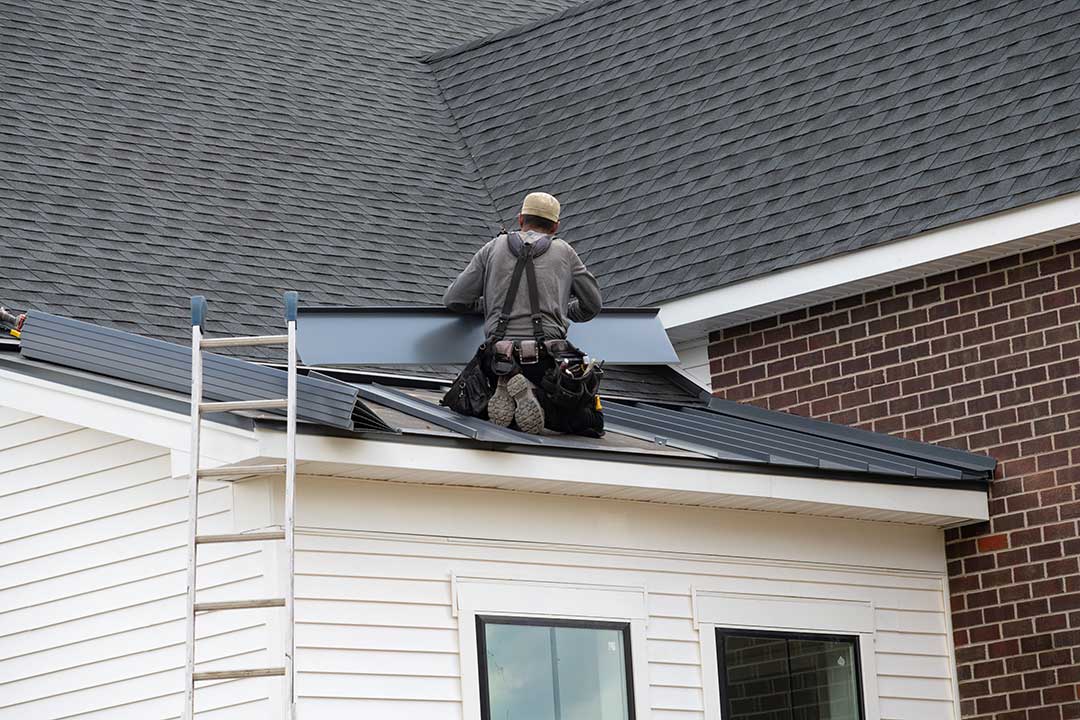
Many householders overlook attic checks or ventilation, thinking outside appearance tells the full story. However, condensation trapped in poorly ventilated attics during winter can degrade roof decking and shorten shingle life, with interior mold remaining hidden until odors or health symptoms appear.
Are There Common Misunderstandings About Preventive Roof Maintenance?
Several local misconceptions sometimes lead to costly surprises:
- Believing new roofs or recently replaced sections don’t need regular checks for the first several years
- Assuming moss or algae growth is only a cosmetic problem rather than an early warning of trapped moisture
- Using pressure washers for cleaning, which can damage shingles and push water underneath
- Relying on visual inspections from the ground alone, missing damage hidden by overlapping rows or behind chimneys
Many residents also mistake ice dams as normal winter occurrences, not realizing they signal underlying ventilation or insulation issues that should be addressed before the next cold season.
Does DIY Maintenance Make Sense, or Are There Limits?
Most routine visual checks, gutter clearing, and basic debris removal are manageable DIY tasks. However, any work involving steep slopes, high ladders, or the presence of mold should be approached with caution. Property owners uncomfortable with heights or unsure about roof stability should prioritize personal safety and building code compliance.
It’s also crucial to recognize that changes noticed during DIY checks—persistent damp spots, sagging rooflines, or recurring leaks—can signal underlying problems that need specialized attention and may involve structural repairs or more complex roofing systems.
