

Can Shade Trees Extend the Life of a Roof in Hudson Falls, NY?
Shade trees can both help and hinder the lifespan of a home's roof. Their presence is especially noticeable in established neighborhoods across Hudson Falls, where maples, oaks, and pines line many residential blocks. The core benefit comes from reduced sun exposure, which slows down the aging process of roofing materials. Constant UV rays can break down shingles over the years, but natural shade acts as a barrier, lowering rooftop temperatures on hot summer days.
That said, shade trees are not a simple guarantee of roof longevity. The microclimates they create above a house can lead to other problems that, over time, may reduce or offset their benefits.
How Can Trees Cause Roof Damage?
While blocking sunlight, shade can also mean a shield from wind and fast-drying air. This sets the stage for moisture to linger longer—an issue, especially in humid and rainy stretches common from spring through fall in Hudson Falls.
Common risks include:
- Moss and algae growth: Shaded, damp sections of a roof encourage moss, lichens, and even mold. Over time, these organisms hold moisture against shingles, leading to faster breakdown, curling, or loosening.
- Debris buildup: Falling twigs, leaves, and needles can clog gutters and pile up in roof valleys, preventing water from draining as it should. Saturated organic matter creates a persistent damp spot, particularly troublesome after storms or heavy snowmelt.
- Overhanging branches: Branches that touch or hover close to a roof can scrape off granules from asphalt shingles or crack tiles and slates during strong winds. Larger branches may fall and damage roofing materials in severe weather, which is not uncommon during the region’s winter nor’easters or summer thunderstorms.
What Are the Benefits of Tree Shade for Roofs?
Properly located and maintained shade trees near a home in Hudson Falls can increase roof lifespan by reducing heat-related wear. Cooler attic spaces help slow the cycle of expansion and contraction caused by extreme temperature swings, leading to less shingle cracking and earlier aging. Some additional benefits include:
- Lower cooling costs in summer, as less sunlight means roofs—and the living spaces beneath—stay cooler.
- Reduced risk of thermal shock, where rapid temperature changes (such as those brought on by late spring cold snaps or sudden autumn chills) can stress roofing materials.
Does Tree Type Make a Difference?
Not all trees provide the same level of benefit or risk. For instance, deciduous trees like sugar maples or red oaks offer summer shade and then drop their leaves, allowing more winter sunlight—useful for melting snow and ice faster on sunny days. Evergreens cast shade all year but deposit needles that can mat into thick debris layers.
Shallow-rooted species or those prone to breakage—such as large willows or poorly maintained ash trees—can be more hazardous, particularly during storms, creating additional risk for nearby roofs.
How Often Should Roofs Be Checked Near Shade Trees?
Roofs protected by trees need more frequent inspections, especially after major leaf drop in autumn and after heavy spring pollen and seed fall. Ideally, area households should check roofs and clear gutters at least twice a year—once in late fall and again in late spring—or after any severe wind event.
Pay close attention to:
- Shady, damp patches that don’t dry quickly
- Early signs of moss or algae streaks
- Clogged or overflowing gutters and downspouts
- Accumulated leaf litter in valleys or behind chimneys
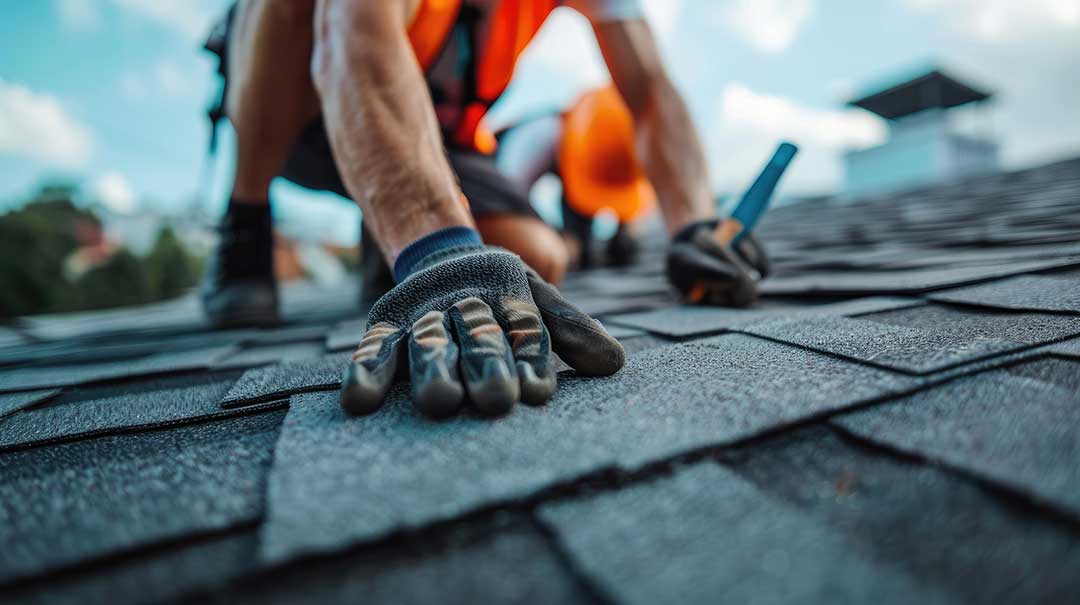
Early intervention is key. Moss removal and debris clearing are tasks most homeowners can safely manage with a good ladder and basic tools. However, large limbs or persistent, slippery growth may require professional assistance for safety reasons.
Are There Ways to Maximize the Benefits While Avoiding the Risks?
The balance between shade and roof health comes down to tree placement and regular upkeep. Some helpful strategies include:
- Pruning back branches so none hang over the roof or touch gutter edges
- Clearing debris from the rooftop and gutters throughout the growing season
- Using zinc or copper strips to inhibit moss and algae on shaded slopes
- Considering which side of a home receives the most punishing afternoon sun before planting new trees or shrubs
Property owners in Hudson Falls often combine these methods to enjoy cooler homes in summer without sacrificing roof longevity to organic build-up or excess moisture.
What Are Common Misconceptions About Tree Shade and Roofs?
A popular belief is that any shade always equals roof protection, but neglecting tree maintenance can actually shorten a roof’s usable life. Another misconception is that only old houses in tree-dense neighborhoods face these issues. In reality, new roofs under fresh landscaping can face the same moss risks within just a few seasons if routine care is ignored.
Additionally, not all streaks or discoloration on a shingled roof come from tree-related growth; sometimes they’re the result of airborne particles, bird droppings, or even manufacturing differences in shingle batches.
How Does Local Climate Influence the Impact of Shade Trees?
Hudson Falls experiences a mix of hot summers, long periods of humid weather, frequent rainfall from late spring through early fall, and heavy winter snowfall. These conditions mean that moss and algae grow readily wherever leaves and shade slow roof drying after precipitation or snowmelt. Extra attention to maintenance is especially warranted in the months following the region’s peak foliage drop and during early spring thaw cycles, when debris-blocked gutters can cause ice dams or water intrusion problems.
In summary, shade trees are neither simply "good" nor "bad" for residential roofs in this part of upstate New York—their impact is shaped by tree species, placement, seasonal weather, and the homeowner’s commitment to regular upkeep.
