
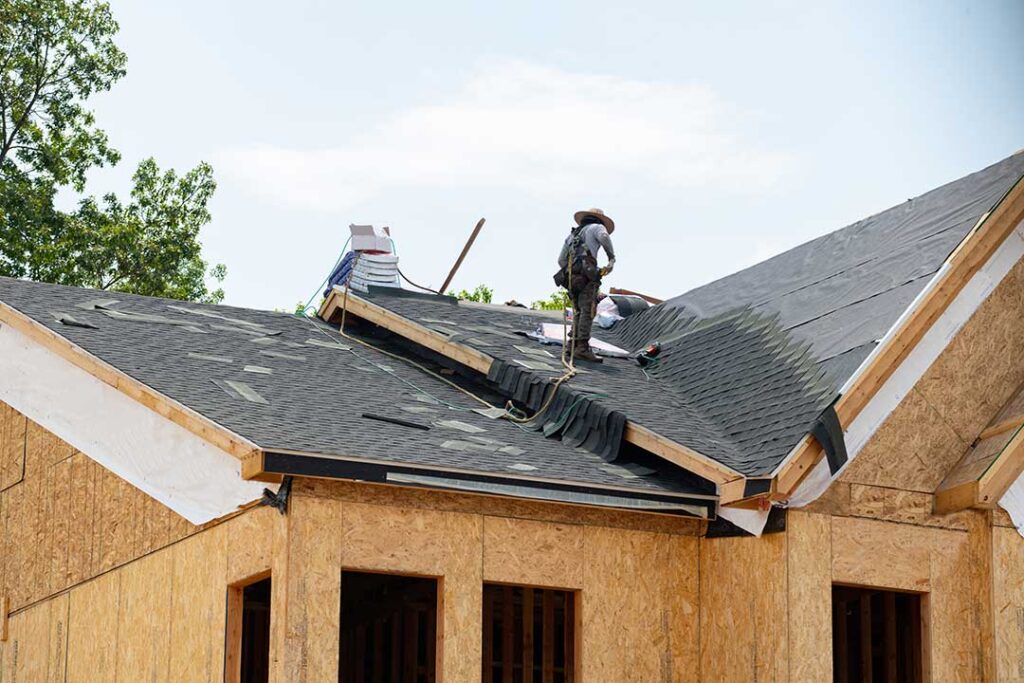
What does a roof fire rating mean?
For homeowners in Hudson Falls, NY, a roof fire rating describes how a roof assembly performs when exposed to fire from outside the building. The rating is not simply a statement about whether a roofing material can burn. It reflects how the complete roof system resists flame spread, protects the roof deck, stays in place, and limits the chance of burning debris becoming a hazard.
The commonly used classifications are:
- Class A: Provides the highest level of protection against severe fire exposure.
- Class B: Provides moderate protection against fire exposure.
- Class C: Provides basic protection against light fire exposure.
Roof coverings and assemblies that are required to carry a Class A, B, or C designation are tested under standards such as ASTM E108 or UL 790. New York’s building code identifies these testing requirements in its roof assembly provisions. ([dos.ny.gov](https://dos.ny.gov/nys-building-code-noa-7242025?utm_source=openai))
A fire rating does not mean a roof is fireproof. It means the tested roof system met specific performance criteria under controlled conditions.
What is the difference between Class A, B, and C?
The classifications describe the severity of fire exposure the roof assembly is designed to withstand during testing.
Class A is intended to resist severe exposure. It generally offers the strongest protection against flame spread across the roof surface, penetration through the covering, and movement of burning material.
Class B is tested against moderate exposure. It provides less protection than Class A but more than Class C.
Class C is tested against light exposure. It may be permitted in situations where building regulations do not require a higher classification.
The letters are not grades for overall roof quality. A Class A roof is not automatically better at resisting wind, ice dams, leaks, or impact damage. Fire performance is only one part of a roof system’s design.
Does the rating apply to the shingle or to the entire roof?
The rating generally applies to the tested roof assembly, not just the visible covering. The assembly may include:
- The roof covering
- Underlayment
- Sheathing or roof deck
- Insulation
- Adhesives or fastening methods
- Ventilation components
- Other layers included in the tested configuration
A particular shingle, tile, membrane, or metal panel may have been tested as part of a specific assembly. Changing the underlayment, deck, installation method, or other components can affect whether the finished roof still matches the listed system.
This is why a product label alone may not tell the complete story. The installation instructions and listed assembly should be reviewed together.
Which roof materials can receive a Class A rating?
Several noncombustible or fire-resistant roof coverings may qualify for Class A assemblies when installed over appropriate decks and in the required configuration. Examples recognized in residential code provisions include certain:
- Clay or concrete tiles
- Slate
- Metal sheets or shingles
- Ferrous or copper roof coverings
- Masonry or exposed concrete roof decks
Asphalt shingles can also be part of a Class A roof assembly, but the classification depends on the tested system rather than the word “asphalt” by itself. Wood shakes and shingles require specific fire-retardant treatment and labeling when used in applications governed by the code. ([codes.iccsafe.org](https://codes.iccsafe.org/content/IRC2024P2/chapter-9-roof-assemblies?utm_source=openai))
A roof should not be assumed to have a particular classification based only on appearance. The rating is normally identified in product literature, packaging, approval documents, or installation instructions.
What does New York’s code require?
New York uses a statewide Uniform Code, with requirements that can vary according to the building type, construction classification, roof location, and other conditions. The 2025 Uniform Code became fully effective on December 31, 2025. Permit applications submitted on or after that date generally must comply with the 2025 provisions, subject to applicable transition rules. ([dos.ny.gov](https://dos.ny.gov/notice-adoption?utm_source=openai))
The 2025 Building Code of New York State states that roof assembly fire classification is governed by its roof provisions and that listed Class A, B, and C assemblies must be tested under ASTM E108 or UL 790 when required. The minimum classification depends in part on the type of construction used for the building. ([dos.ny.gov](https://dos.ny.gov/nys-building-code-noa-7242025?utm_source=openai))
For a typical one- or two-family home, the applicable requirements may differ from those for a multifamily building, attached dwelling, accessory structure, or commercial property. Roof work that changes the covering, deck, structure, or use of a building may also raise code questions that are not answered by the fire rating alone.
Why does the roof’s distance from a property line matter?
Fire exposure can involve a neighboring building, not only a fire that begins inside the home. Model residential code provisions address roof assemblies near lot lines because flames, radiant heat, or burning debris can travel between closely spaced structures.
The International Residential Code identifies situations where Class A, B, or C roof assemblies are required by law, including cases where the edge of the roof deck is less than 3 feet from a lot line. ([codes.iccsafe.org](https://codes.iccsafe.org/content/IRC2024P2/chapter-9-roof-assemblies?utm_source=openai))
This factor can matter in established neighborhoods where houses, garages, porches, and additions are relatively close together. The distance should be measured and interpreted according to the applicable code provisions rather than estimated visually.
Does a Class A roof protect against chimney or electrical fires?
Not completely. A roof covering rating addresses fire exposure from above or outside the roof assembly. It does not replace safe chimney construction, proper electrical work, clearance around heating equipment, or fire separation between attached spaces.
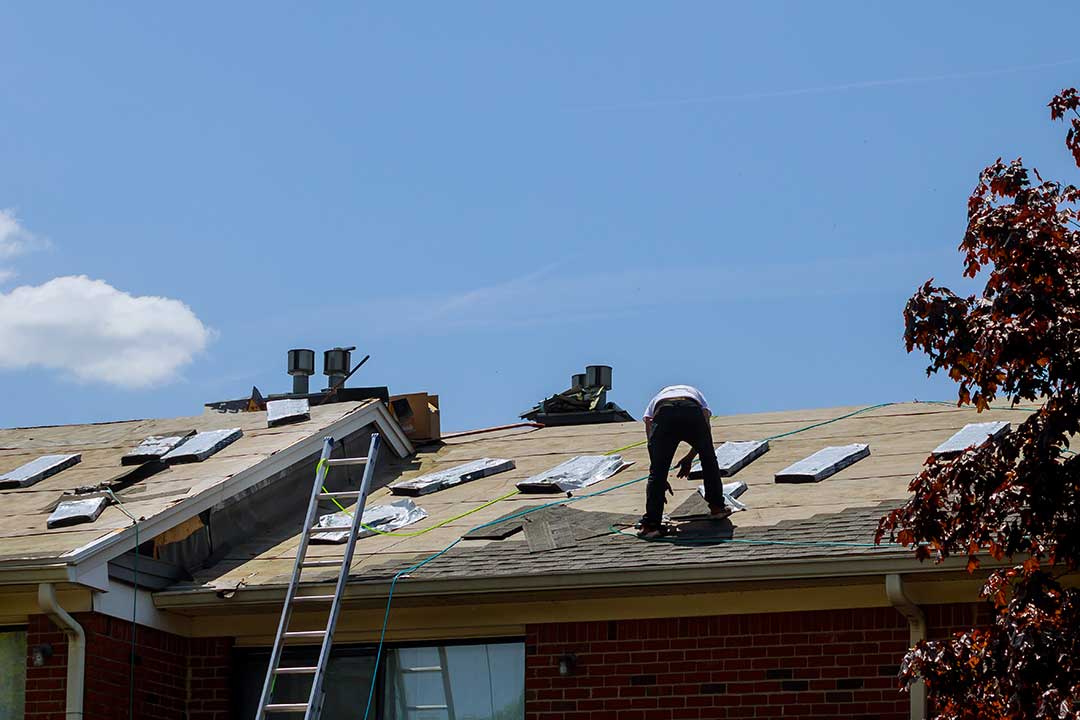
Common fire-related concerns include:
- A damaged or improperly installed chimney
- Electrical equipment passing through the attic
- Recessed lighting installed too close to combustible materials
- Exhaust vents terminating incorrectly
- Heat-producing equipment near roof framing
- Accumulated leaves, pine needles, or other debris
- Combustible storage in an attic or attached garage
A Class A roof may slow fire spread across the roof, but it cannot correct hazards beneath the roof deck or inside the building.
How do snow, ice, and seasonal conditions affect fire ratings?
Hudson Falls experiences cold winters, snow, freeze-thaw cycles, and periods of ice accumulation. These conditions do not change the assigned Class A, B, or C classification, but they can affect roof performance over time.
For example, repeated moisture entry may damage sheathing or insulation. Heavy snow and ice can stress framing, while blocked ventilation or poorly managed heat loss can contribute to ice dams. If the roof assembly is altered after installation, its original tested configuration may no longer be intact.
Winter maintenance should therefore be considered separately from fire classification. A roof can retain a Class A listing and still have problems caused by water intrusion, structural loading, deteriorated flashing, or damaged materials.
What should homeowners check in roof documents?
When reviewing an existing roof or planning replacement work, useful records may include:
- The roof covering product information
- The tested fire classification
- The complete assembly or system number
- Installation instructions
- Underlayment and deck requirements
- Documentation for skylights or rooftop solar equipment
- Permit records for major alterations
Rooftop photovoltaic systems have their own fire-classification requirements. The code identifies testing and labeling provisions for photovoltaic systems installed on or above roof coverings, including references to UL 2703 for many mounted systems. ([codes.iccsafe.org](https://codes.iccsafe.org/content/IRC2024P2/chapter-9-roof-assemblies?utm_source=openai))
The local building-code office is the appropriate source for confirming which code edition and permit requirements apply to a particular project. This is especially relevant when a roof is close to a lot line, part of an attached structure, or being altered along with solar equipment, an addition, or a change in occupancy.
What is the main misconception about roof fire ratings?
The most common misconception is that the rating belongs to a roofing material in isolation. In practice, fire performance depends on the tested assembly and the way it is installed.
Another misconception is that Class A means a roof cannot catch fire. Class A indicates the highest commonly used exterior roof classification, but fire can still enter through openings, vents, damaged areas, exposed framing, or nearby combustible materials.
Understanding the rating helps homeowners compare roof systems accurately, identify documentation gaps, and recognize that fire safety involves the entire building—not just the surface visible from the ground.
