
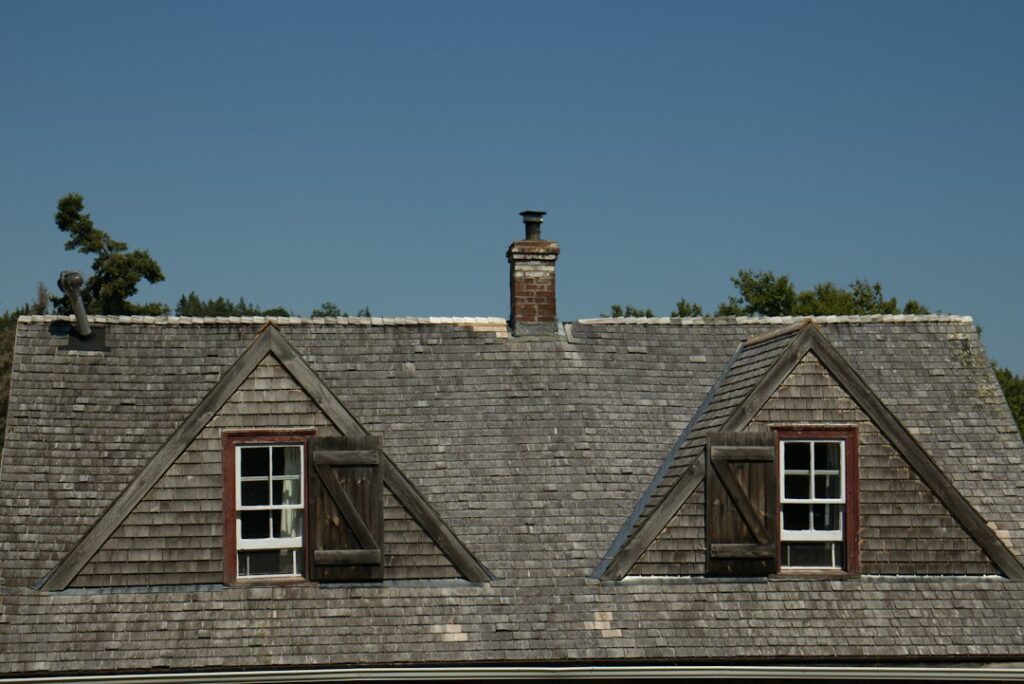
A new roof can reduce indoor allergens when it stops rain, melting snow, and humid outdoor air from entering the building envelope. The main benefit is moisture control: a dry attic and dry wall cavities are less likely to support mold growth, musty odors, and conditions that aggravate allergies.
Roof replacement does not remove every indoor allergen. Pollen, dust mites, pet dander, and outdoor air can still enter through doors, windows, clothing, and ventilation systems. However, correcting roof-related moisture problems can address one significant source of poor indoor air quality.
How can a roof affect allergens inside a home?
A roof is part of the home’s air and moisture barrier. If shingles, flashing, underlayment, vents, or roof penetrations fail, water may reach the attic, insulation, ceiling materials, and framing.
That moisture can create conditions where mold grows. Mold releases spores into the air, and those spores may contribute to sneezing, nasal irritation, coughing, itchy eyes, or asthma symptoms in sensitive individuals. Damp materials can also produce persistent odors and may attract pests that introduce additional allergens.
A roof problem does not always appear as a dramatic ceiling stain. Water can travel along rafters or insulation before becoming visible. Small leaks may only occur during wind-driven rain, heavy storms, or periods of melting snow.
Does installing a new roof eliminate mold?
No. A new roof can stop the source of moisture, but it does not automatically remove mold that already exists indoors.
If water has damaged attic insulation, roof decking, drywall, or framing, those materials may need separate evaluation and cleaning or replacement. Mold can remain active in damp materials even after the roof has been repaired. Covering a stained surface without addressing the moisture source may hide the problem rather than solve it.
A complete moisture-control approach usually involves:
- Stopping the leak or replacing failed roof components
- Drying wet materials promptly
- Checking attic insulation and roof decking for dampness
- Removing or treating damaged materials when appropriate
- Improving ventilation where condensation is contributing to moisture
- Confirming that bathroom and kitchen exhaust fans discharge outdoors
Large areas of visible mold, extensive water damage, or contamination involving heating and cooling equipment may present safety concerns and require qualified remediation.
Why does this matter in Hudson Falls?
Seasonal conditions in Hudson Falls can place repeated demands on roofing systems. Snow accumulation, freeze-thaw cycles, spring rain, wind, and summer humidity can expose weaknesses in aging roof coverings and flashing.
Freeze-thaw movement can enlarge small cracks or loosen seals around chimneys, vents, skylights, and other roof penetrations. During warmer periods, accumulated snow and ice may melt unevenly, allowing water to reach areas that appeared dry during winter.
These conditions make attic inspection especially useful after severe weather or when indoor symptoms seem worse during wet seasons. A roof may still look acceptable from the ground while its underlayment, flashing, or decking has begun to deteriorate.
Can a new roof reduce dust mites and other allergens?
Indirectly, it can help by reducing indoor dampness. Dust mites thrive in humid environments, especially where moisture remains trapped in bedrooms, upholstered furniture, carpets, and bedding. A roof replacement alone will not remove dust mites, but preventing roof leaks and improving attic performance can reduce one contributor to excessive household humidity.
Indoor humidity also comes from showers, cooking, drying laundry, basement moisture, and inadequate ventilation. If allergy symptoms continue after a roof problem is corrected, those sources should be considered as well.
Useful moisture-control steps include:
- Running bathroom fans during showers and for a short period afterward
- Using a range hood that vents outdoors when possible
- Repairing plumbing leaks promptly
- Keeping gutters and downspouts clear so water drains away from the structure
- Using a dehumidifier in persistently damp areas
- Keeping indoor relative humidity moderate rather than allowing rooms to remain clammy
What roof features support better indoor air quality?
The roof covering is only one part of the system. A sound installation should also manage water, airflow, and condensation.
Important components include properly integrated flashing, sealed roof penetrations, adequate underlayment, and correctly installed ventilation. Attic ventilation should work with the home’s insulation and air sealing rather than simply adding more openings. Poorly planned ventilation can allow outdoor moisture or wind-driven rain into the attic.

Air sealing at the attic floor can also reduce the movement of dusty or contaminated attic air into living spaces. Recessed lights, plumbing openings, wiring penetrations, and access hatches may allow air to move between the attic and rooms below.
Insulation that is wet, compressed, or contaminated may not perform properly. It can also hold moisture against wood and ceiling materials. A roof replacement is an opportunity to inspect these conditions, but they should not be assumed to correct themselves.
What signs suggest a roof may be affecting indoor allergens?
Possible warning signs include:
- A musty smell in upper-floor rooms or closets
- Water stains on ceilings or around exterior walls
- Peeling paint or bubbling drywall
- Damp attic insulation
- Darkened roof decking or rafters
- Mold growth near ceiling edges
- Condensation on attic nails or roof sheathing
- Allergy or asthma symptoms that worsen after rain
- Repeated repairs in the same ceiling or wall area
These signs do not prove that the roof is the only cause. Indoor allergies have many possible sources, and symptoms may also be related to pollen, pets, cleaning products, pests, or ventilation. Still, recurring moisture evidence should not be ignored.
Will a new roof improve air quality if the house has poor ventilation?
Only partly. A watertight roof can prevent new moisture intrusion, but it cannot compensate for blocked bathroom fans, inadequate attic airflow, or excessive indoor humidity.
The attic and living space serve different ventilation purposes. Attic ventilation helps manage heat and moisture beneath the roof. Living-space ventilation controls odors, humidity, and airborne contaminants. Neither system should be treated as a substitute for the other.
After roof work, it is sensible to check whether attic vents are unobstructed and whether insulation is blocking intended airflow at the eaves. Bathroom and kitchen exhaust should also be checked for proper operation and outdoor discharge.
What should residents check after a roof replacement?
After major roofing work, a simple follow-up inspection can help confirm that moisture problems were actually resolved. Look for new stains after the first substantial rain, dampness in the attic, unusual odors, or condensation during cold weather.
It is also worth checking ceiling penetrations, attic access panels, and areas around chimneys and vents. If old mold or water damage was present, indoor air may not improve until affected materials have been addressed.
A new roof can support cleaner indoor air, but its effect depends on the entire moisture-control system. Keeping the building dry, maintaining ventilation, and responding quickly to leaks are the practices most likely to reduce roof-related allergens over time.
